What Are We Asking People to Be Resilient To?
Business
What Are We Asking People to Be Resilient To?
Over the last few years, I’ve become a bit of a geek when it comes to resilience. Initially, to try and nail down my own moving carpet, but since then, to help others gain some form of calm and balance within their own lives.
But it seems we’ve managed to turn resilience into a demand.
It’s no longer considered a quality that a person builds over time, with support, rest and the right conditions around them. It’s become an expectation instead. Something we’re supposed to have. Worse still, if we don’t bounce back quickly enough, or cleanly enough, there’s an unspoken suggestion that perhaps we just aren’t resilient enough.
If someone is going through something genuinely hard, whether that’s bereavement, illness, caring responsibilities, a restructure or simply a sustained period of pressure, they’re often asked, “How are you coping?”
It’s usually asked with kindness, but are we unintentionally making coping the baseline? The person is already carrying something heavy, and now they’re also carrying the weight of not carrying it well enough.
Resilience as a concept has an older meaning, borrowed from materials science. My late father was an engineer, so I’d like to think some of his wisdom rubbed off on me. A resilient material bends under pressure and returns to its original shape. The important part isn’t just the material itself; it’s the conditions around it. The pressure applied, how long it’s under that pressure, and whether it has the opportunity to recover.
Nobody in engineering looks at a buckled beam and decides it had a character flaw. They ask what load it was carrying and whether that load was reasonable. They look at the design of the system, not the moral fibre of the component.
We don’t seem to extend the same logic to people.
Instead, we’ve built wellbeing programmes around helping individuals take on more pressure, recover faster and adapt better. Which would be useful if the problem were purely individual. But often it isn’t. Often what’s being called a resilience problem is actually a structural one.
Too much load. Too little recovery.
Or organisations treating people as though they’ll simply regenerate over the weekend.
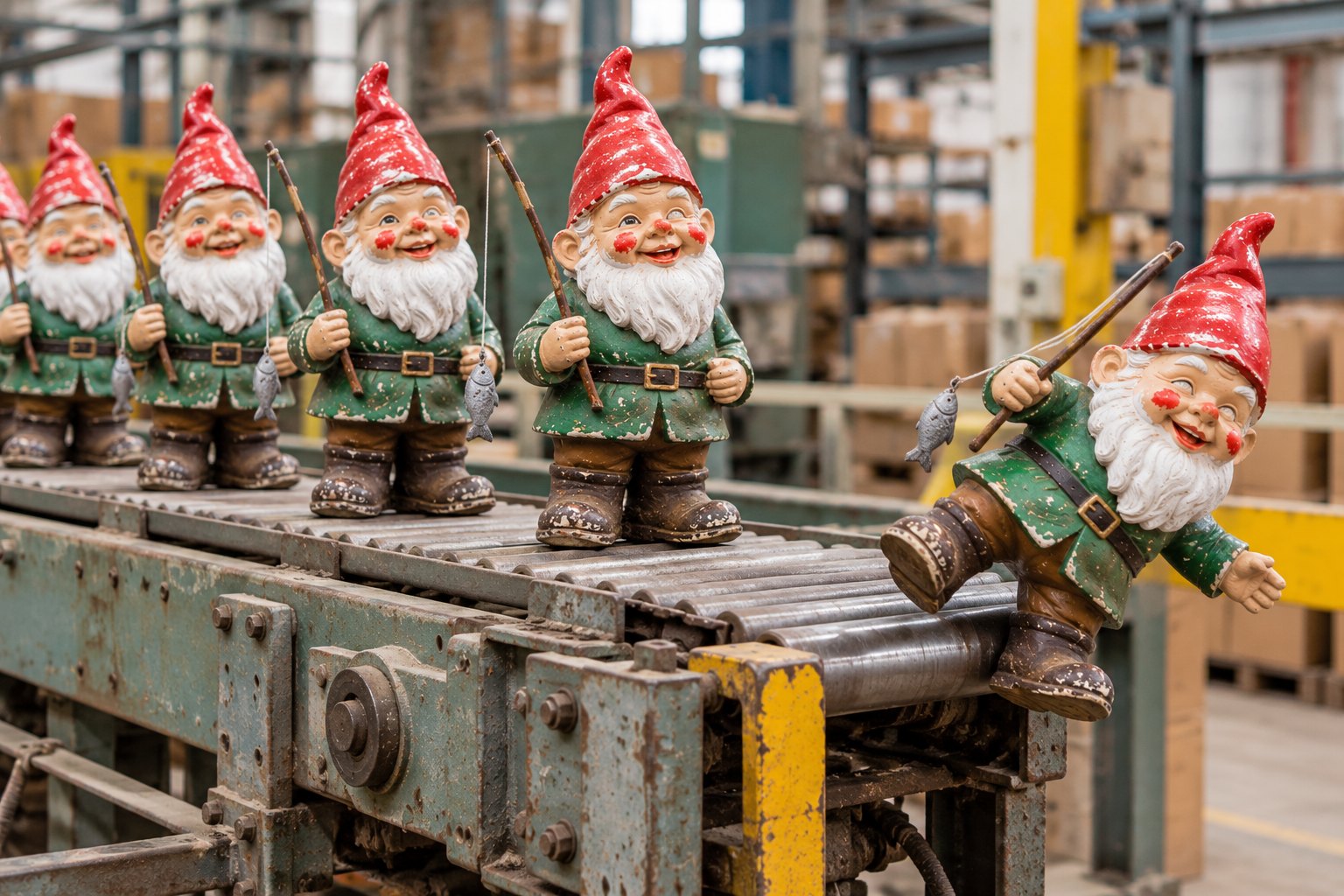
Telling someone to build resilience in those circumstances is a bit like turning up the central heating and then selling everyone a jumper.
None of this is to dismiss the importance of individual work. Learning how to regulate your nervous system, understanding what depletes you and what restores you, setting boundaries and recognising your own limits all have enormous value.
But individual tools applied to a structural problem will only ever take you so far. At some point the conversation has to include the conditions people are working in, not just whether those people are robust enough for those conditions. Otherwise, we’re patching up people rather than fixing anything.
I also think we need to be careful who we call resilient.
People who’ve lived through financial hardship, illness, caregiving or circumstances that left them with very little choice but to keep going are often described as remarkably resilient. It’s meant as a compliment, but I sometimes wonder whether we’re describing resilience or simply a lack of alternatives.
Endurance without choice isn’t quite the same thing as resilience.
It might look the same from the outside, but it doesn’t feel the same from the inside.
The people I’ve seen build genuine resilience almost always have something else around them as well. Support. Recovery. Someone they trust. A culture where saying, “I’m not okay this week,” doesn’t damage their credibility.
Their resilience wasn’t created in isolation. It grew because the environment supported it.
That’s why I think organisations need to widen the conversation.
Wellbeing initiatives, flexible working and employee assistance programmes all have their place. They can make a real difference.
But they’re still treating the symptom more often than the cause.
The harder question is one only leadership can answer.
What are we asking our people to be resilient to?
Is it an occasional challenge that comes with working life?
Or have we quietly normalised unreasonable workloads, relentless pace, constant organisational change and cultures where recovery is seen as a luxury rather than a necessity?
That means looking honestly at workload, pace of change, decision-making, recovery time and whether the values written on the wall bear any resemblance to what people experience day to day.
Resilience was never meant to mean enduring unreasonable pressure without support. It was meant to be the capacity to bend and return, and that depends enormously on what surrounds us.
So if someone is going through something genuinely difficult, don’t assume they’ll simply bounce back.
Ask what they’re carrying.
And if you’re leading a team, ask yourself an even harder question.
Are you building resilient people, or asking people to be resilient because the system isn’t?
Because resilience without support isn’t resilience.
It’s endurance with a better name.
Sharon Callcut