
Branding
What Would You Like to Be Liked For?
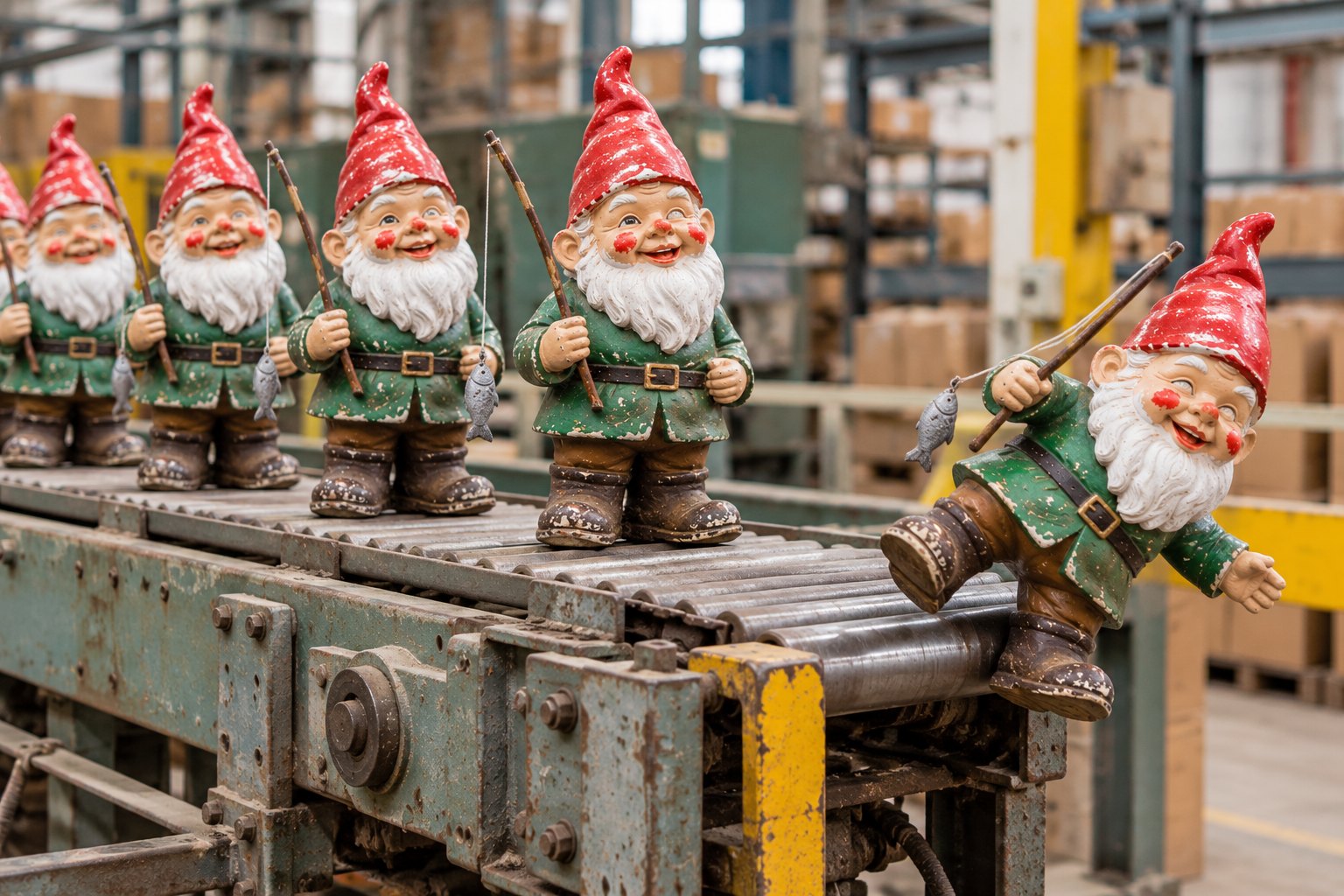
One of the problems with branding is that every department has an ego.
Understandably, we tend to pay most attention to the bit we’re responsible for. If you work in marketing, for example, there’s often a natural aspiration towards the cool and creative.
Not particularly relevant if you make garden gnomes, but you do need to be careful they don’t try anyway. Between the original concept and each department adding its preferences, a brand can start to develop stray hairs sprouting in completely different directions.
Sustainable branding can mean two quite different things — how sustainably a business delivers its brand, but also how sustainable the branding itself is.
You may have started with a very clear idea of what you wanted to be known for, but as the business grows, more people quite rightly have a hand in shaping it. New people bring their own ideas, and existing ones will see opportunities to improve things, none of which is necessarily wrong. The problem comes when all those individual improvements gradually move the brand away from what your customers valued about it in the first place.
Imagine you’ve been making garden gnomes for years.
Gilbert is your bestseller, with his red hat, fishing rod and cheerful little face, and your customers love him.
Eventually, somebody decides Gilbert could do with an update. His red hat is a bit obvious, the fishing rod feels dated and that cheerful little face isn’t particularly aspirational.
So Gilbert gets a makeover.
Six months later, you’ve got a very tasteful concrete ornament called G, and nobody likes him.
Nobody deliberately set out to ruin Gilbert. In fact, everybody involved probably thought they were improving him. But in concentrating on making their particular bit better, they gradually lost sight of what people liked about him in the first place.
Of course, your brand is much bigger than the thing you sell. Gilbert is only part of the reason people buy from you. They also have an experience of the company that makes him — how easy you are to deal with, what happens when something goes wrong and all the other things they gradually come to associate with your name.
It’s worth, therefore, changing the thought process away from ‘What would we like our brand to be known for?’ to ‘What do people like us for?’
The answer may have very little to do with the words businesses traditionally choose for themselves. People might like you because your products last or because you answer the phone. They may remember that when something went wrong, you sorted it out, or simply that you’ve retained enough personality that dealing with you doesn’t feel like dealing with everybody else.
And if you know what people genuinely value about your brand, the business has a firm point of reference when making future decisions.
Not a list of approved adjectives, but the thing people would actually miss if you took it away.
Which brings me back to Gilbert.
Because in our enthusiasm to make the brand more sustainable, we’ve replaced a perfectly popular garden gnome with a lump of concrete.
And let’s be honest. Is the concrete version actually environmentally sustainable?
Poor Gilbert.
We’ve managed to lose both meanings of sustainable branding in one rebrand.
Sharon Callcut